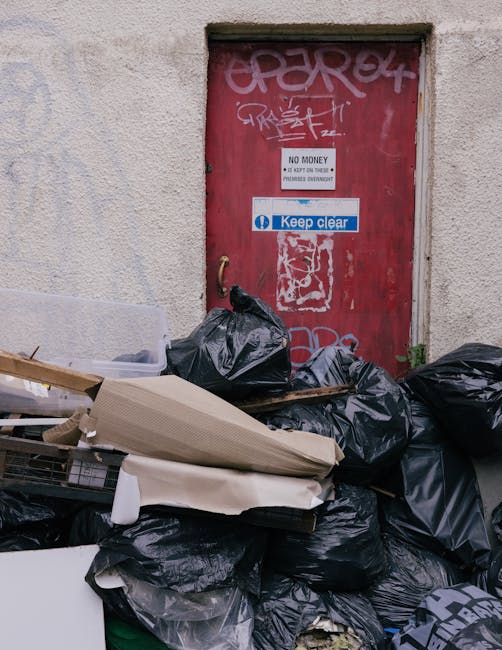
Belsize Park commercial rubbish removal Fitzjohns Avenue
Posted on 27/08/2026
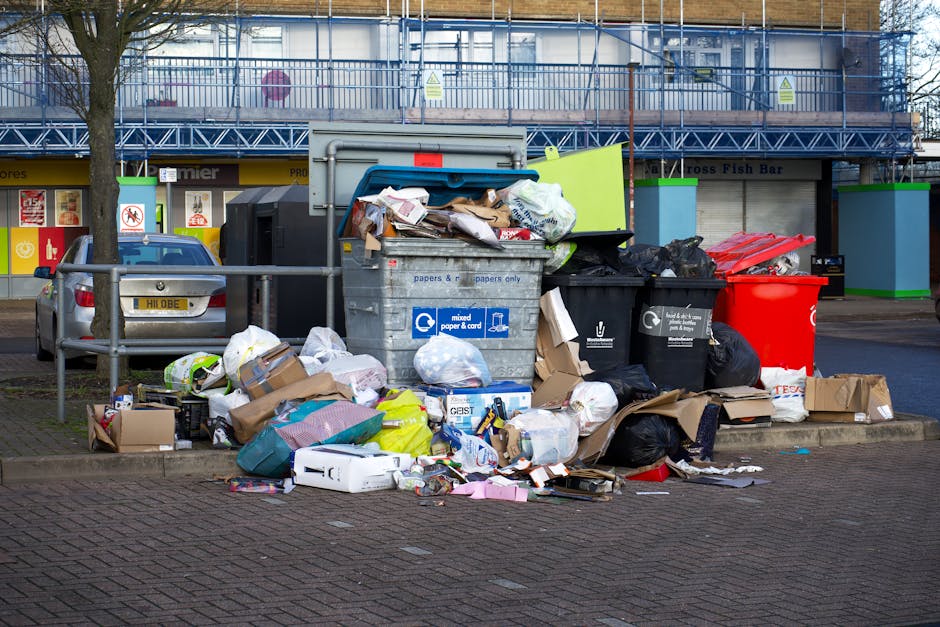
Belsize Park commercial rubbish removal Fitzjohns Avenue: a practical guide for local businesses
If you are dealing with Belsize Park commercial rubbish removal Fitzjohns Avenue, you are probably trying to solve a very ordinary but very annoying problem: waste is building up, time is short, and the space needs to look professional again. Maybe it is an office refresh, a shop clearance, a landlord handover, or the aftermath of a fit-out. Whatever triggered it, commercial waste rarely waits politely in the corner.
This guide breaks down what commercial rubbish removal usually involves on and around Fitzjohns Avenue, how the process works, what to expect from a good service, and how to avoid the small mistakes that turn a tidy clearance into a messy afternoon. You will also find a checklist, a comparison table, and a realistic example based on the kinds of jobs that happen every week in Belsize Park. Straightforward, useful, no fuss.
Why Belsize Park commercial rubbish removal Fitzjohns Avenue matters
Commercial waste is not just "stuff to throw away". In a place like Belsize Park, especially around Fitzjohns Avenue where premises can be close together and access can feel tight, poor waste handling quickly becomes visible. Bags on the pavement, broken furniture in a hallway, or leftover packaging from a fit-out can affect neighbours, staff, customers, and even your reputation. Let's face it, a tidy frontage says a lot before anyone steps through the door.
There is also a practical side. Business waste can interfere with trading hours, create slip hazards, block fire exits, and slow down teams who should be doing something better with their day. For landlords and managing agents, delays can push back handovers or final inspections. For office managers, it can make a simple clear-out feel like a minor logistical drama by 3pm on a Tuesday.
Belsize Park has its own character too. It is a busy residential and mixed-use part of north-west London, so waste removal needs to be efficient, considerate, and organised. If your business is near a road like Fitzjohns Avenue, you usually want collection timed carefully to reduce disruption and avoid unnecessary double handling. That is where a commercial rubbish removal service earns its keep.
If your clear-out is linked to wider property activity, you may also find the local context around real estate transactions in Belsize Park useful, because office moves, refurbishments, and vacant unit handovers often overlap with disposal work.
How Belsize Park commercial rubbish removal Fitzjohns Avenue works
Most commercial rubbish removal jobs follow a similar pattern, even if the contents are wildly different. The details change, but the logic stays the same: assess, quote, clear, sort, and dispose responsibly. Simple enough on paper. In practice, a decent service should make the process feel almost boring-in a good way.
Typically, the first step is a description of what needs removing. For example:
- office chairs, desks, cabinets, and shelving
- shop display units, packaging, and stockroom waste
- builder's rubble, timber, plasterboard, and site debris
- broken appliances, photocopiers, monitors, and mixed electricals
- general business waste from a clear-out or end-of-lease exit
The collection team then plans the right vehicle size, crew numbers, and lifting approach. If the access is awkward or the waste is upstairs, that matters. If there is mixed waste with heavier items, that matters too. On Fitzjohns Avenue, where access and parking can be a consideration, the crew may need to work a little more carefully than in a wide-open industrial estate. That is normal, not a problem.
After collection, the waste is sorted for reuse, recycling, or disposal where possible. Good operators do not just tip everything into one anonymous pile. They separate materials, identify reusable items when appropriate, and handle regulated waste with proper documentation. If you want a clearer sense of the wider approach, the services overview page gives a helpful picture of the types of clearance jobs that sit alongside commercial collections.
For businesses that need broader clearance support, it can help to compare with office clearance in Belsize Park or waste clearance in Belsize Park, especially if the job includes multiple waste streams rather than one neat category.
Key benefits and practical advantages
There are plenty of reasons local businesses choose a professional clearance service rather than trying to handle everything in-house. Some are obvious. Some only become obvious after someone has spent half a day dragging a filing cabinet down stairs and regretted every life decision leading up to that point.
1. It saves time. Staff can stay on their actual work instead of making repeated trips to a skip or trying to fit awkward items into a car that was never meant for a printer the size of a small fridge.
2. It reduces disruption. Commercial rubbish removal can be scheduled around opening hours, deliveries, or contractor access. That matters on busy London streets where timing can make or break the smooth running of a clearance.
3. It improves presentation. A clean site, shop, or office creates a better impression for clients, surveyors, prospective tenants, and your own team. It sounds small. It is not small.
4. It supports responsible disposal. A proper clearance service helps route items into recycling streams where possible and keeps mixed waste under control. If sustainability is a priority for your organisation, it is worth reading the site's recycling and sustainability approach.
5. It lowers the risk of mistakes. Certain items need special handling, especially electronics, sharp materials, or heavy furniture. Having the right team on site reduces the chance of damage, injury, or accidental non-compliance.
Expert summary: the best commercial rubbish removal is the kind you barely have to think about. It arrives when expected, clears what was agreed, leaves the area tidy, and gives you confidence that the waste went where it should. That is the real win.
If your clearance also includes bulky items, there is often a sensible overlap with furniture removal in Belsize Park and furniture disposal services. The right option depends on whether items are reusable, broken, or simply in the way.
Who this is for and when it makes sense
Commercial rubbish removal on Fitzjohns Avenue is useful for a wider group than people often assume. It is not only for offices. In fact, that is one of the common misunderstandings. A lot of the work is mixed-use or one-off, not long-term waste management.
This service may suit you if you are:
- a landlord preparing a property for new tenants
- a letting or estate agent clearing abandoned items after a move-out
- an office manager handling an upgrade, downsizing, or relocation
- a shop owner replacing stockroom shelving or old fixtures
- a builder or contractor finishing a small refurbishment
- a venue or hospitality operator clearing event waste or broken equipment
It is also a strong fit when the job has an awkward timing issue. For example, you might have a building inspection on Thursday morning, but the final fixtures are still in the back room on Wednesday afternoon. Or maybe the office move is done, but the old cable trunking, packaging, and filing cupboards still need to go. That sort of thing happens all the time.
For mixed property or larger clearances, you may want to look at property clearance in Belsize Park as well, particularly where commercial and non-commercial items have been left together.
If the waste comes from renovation or strip-out work, the local guide to builders waste disposal in Belsize Park is also a useful companion read.
Step-by-step guidance
If you are organising a commercial rubbish removal job for Fitzjohns Avenue, a simple process works best. Here is a practical version that avoids drama and last-minute surprises.
- List everything to be removed. Be specific. "Old office furniture" is less helpful than "four desks, six chairs, one metal cabinet, two monitors, and mixed packaging."
- Separate what might stay. Items for reuse, storage, shredding, or redeployment should be set aside early. It saves mistakes later. Honestly, this step is worth it.
- Check access. Measure doorways, stairwells, and loading areas if the items are large. Note any parking or timing restrictions that could affect the crew.
- Flag anything unusual. Electronics, hazardous materials, confidential paperwork, or heavy equipment should be highlighted before the day of collection.
- Ask for a clear quote. A good estimate should explain what is included, how the waste is priced, and whether labour, loading, or disposal are covered.
- Prepare the site. Move smaller loose items into one area if you can do so safely. It speeds up loading and keeps the visit efficient.
- Confirm disposal expectations. Ask how reusable or recyclable materials are handled. A provider should be able to talk plainly about this.
- Review the final area. Once the team leaves, walk the space. Check corners, under desks, and storage edges. Small items love hiding in plain sight.
For many businesses, it also helps to review local rubbish collection options if the clearance is part of a broader clean-up rather than a single, large removal.
Expert tips for better results
After enough clearances, you start to notice the same patterns. Good jobs are rarely lucky. They are usually prepared properly. A few small decisions make the whole thing smoother.
Be honest about volume. Underestimating the amount of waste is one of the fastest ways to derail a job. If in doubt, slightly over-describe rather than under-describe. That gives the collection team room to plan.
Photograph the waste before collection. This is especially handy for mixed sites or office exits. You get a useful record, and the crew can see the scale in advance. No need for art, just clear pictures.
Keep access clear from the start. A corridor stacked with boxes might seem manageable until somebody carries a sofa past it. It is clumsy, and a bit risky too.
Think in categories. Separate furniture, electricals, mixed rubbish, and paper-based waste where possible. It helps with reuse and recycling decisions, and it keeps the job more efficient.
Plan around trading hours. If your business needs a quiet opening time, ask for an early or late slot. In London, timing is often the difference between a neat solution and a stressful one.
Keep confidential material secure. Paper records, old files, and devices should be handled carefully. If shredding or data-sensitive disposal is involved, say so up front. Better to be slightly over-cautious than sorry.
A small but important local point: on streets like Fitzjohns Avenue, courtesy matters. A tidy crew, efficient loading, and minimal pavement clutter go a long way with neighbours. People notice. They really do.
Common mistakes to avoid
Most problems in commercial rubbish removal are avoidable. They are usually not dramatic errors; just small oversights that snowball.
- Leaving sorting until collection day. This slows everything down and makes it harder to separate recyclables.
- Assuming all waste is the same. Mixed waste, electricals, and furniture often need different handling.
- Forgetting about access. A big item is only a small problem until it reaches a narrow stairwell.
- Not checking what is included. A quote that seems cheap can become less attractive if extras appear later.
- Ignoring the clearance deadline. If your lease ends on Friday and the waste still sits there on Thursday evening, that is a headache waiting to happen.
- Overlooking compliance. Businesses are usually more exposed than private households if waste is transferred improperly.
One more thing. People often delay disposing of broken furniture because it is "only one item". Then there are three items. Then eight. Then the room is basically a storage museum. You know the sort of thing.
If the items are mainly domestic-style overflow from a business property, the waste disposal in Belsize Park and Belsize Park Gardens rubbish clearance pages may be helpful for context, especially for smaller mixed loads.
Tools, resources and recommendations
You do not need a complicated toolkit for a commercial clearance, but a few practical aids make life easier. A little organisation goes a long way.
- Inventory list: a simple checklist of items, numbers, and any special notes
- Floor plan or rough sketch: useful if waste is spread across multiple rooms
- Labels or coloured tape: handy for marking keep, remove, recycle, and shred piles
- Phone photos: quick visual record for the provider and your own files
- Access notes: gate codes, loading restrictions, parking advice, lift size, and contact names
For businesses handling equipment replacement, it can also help to review white goods and appliance disposal in Belsize Park if the clear-out includes fridges, microwaves, dishwashers, or other bulky appliances. These items tend to be heavier and more awkward than people expect.
Where your job overlaps with office moving or end-of-tenancy work, office clearance and the site's pricing and quotes information can help you plan the right scope before the collection day arrives.
Law, compliance, standards, or best practice
Commercial waste removal has a compliance angle that is worth taking seriously. You do not need to overcomplicate it, but you also should not treat it like a casual house clear-out. In the UK, businesses have duties around how waste is stored, transferred, and handed over. If waste leaves your premises with the wrong party, the risk does not disappear just because the bags are gone.
That is why carrier licensing matters. A properly licensed waste carrier should be able to show that they are authorised to transport waste, and they should provide paperwork or records where appropriate. If you are not sure what to ask, the site's waste carrier licence and compliance page is a sensible starting point.
Best practice usually includes:
- clear waste descriptions before collection
- separate handling for furniture, electrical items, and general rubbish
- safe lifting and loading practices
- secure treatment of confidential material
- responsible disposal routes and recycling where possible
- careful attention to site safety and access
Depending on the type of business, you may also need to consider insurance, working practices around building access, and the handling of awkward or heavy items. The point is not to scare anyone. It is simply to avoid surprises.
For a broader view of operational responsibility, the pages on insurance and safety, terms and conditions, and payment and security can help set expectations before a job goes ahead.
If your business also cares about ethical disposal and supply chain responsibility, the modern slavery statement is worth a look as part of a wider due-diligence mindset. Different issue, same principle: know who is handling your waste and how.
Options, methods, or comparison table
There is more than one way to clear commercial waste, and the best choice depends on space, timing, and the type of material. Here is a practical comparison.
| Method | Best for | Advantages | Watch-outs |
|---|---|---|---|
| Full commercial clearance service | Office moves, mixed waste, bulky items, end-of-lease jobs | Fast, coordinated, minimal disruption, handled by one team | Needs clear scope and access planning |
| Targeted item removal | Small loads, single bulky items, a few broken units | Efficient for lighter jobs, less wasteful | Not ideal if the site has many categories of rubbish |
| Builders waste collection | Refurbishments, strip-outs, post-fit-out debris | Suited to heavy, dusty, awkward site waste | Requires accurate material description and safe loading |
| Office clearance plus sorting | Desks, chairs, filing, IT equipment, paper waste | Better for reuse and recycling decisions | Usually needs more prep from the business |
In practice, many Fitzjohns Avenue jobs are a hybrid. A small office might need a bit of furniture removal, some mixed rubbish collection, and a few appliance disposals all at once. That is perfectly normal. The best service is the one that matches the real job, not the neat version in your head.
Case study or real-world example
Here is a realistic example based on the sort of commercial clearance that comes up in Belsize Park.
A small professional practice near Fitzjohns Avenue was downsizing from two rooms to one. The move had already been arranged, but the team still had old desks, three storage cabinets, a stack of packaging from new IT equipment, and several monitors that could not just be left in a corner. A few items were reusable, one cabinet was too damaged to keep, and there was a deadline because the landlord wanted the office fully cleared before a midweek inspection.
Rather than leaving the staff to sort it in stages, the business made an inventory, took photographs, and separated what was staying from what was going. The clearance crew arrived with the right vehicle and enough labour to remove the furniture without blocking the corridor for long periods. The more fragile or awkward items were handled first, then the loose rubbish, then the final sweep-up.
What made the job work was not luck. It was a decent scope, clear access notes, and realistic timing. The office was left usable by the end of the day, and the team could get back to work instead of wrestling with old furniture for another week. A very ordinary success, honestly. But that is exactly the point.
That kind of situation also overlaps with broader local patterns seen around rubbish clearance near Belsize Park Station and similar mixed-access streets where timing and tidy handling matter more than people first assume.
Practical checklist
Use this checklist before booking or on the day of your commercial rubbish removal job in Fitzjohns Avenue. It is simple, but it catches a surprising number of issues.
- Have I listed all items that need removing?
- Have I separated reusable items, recycling, and waste?
- Do I know whether any items are hazardous, sharp, or sensitive?
- Have I checked access, parking, and loading space?
- Do I know the collection timing and who will meet the crew?
- Have I confirmed what is included in the quote?
- Are confidential papers or devices secured separately?
- Have I cleared a path through the property?
- Do I understand how the waste will be handled after collection?
- Have I reviewed any terms, insurance, or payment details?
Quick takeaway: a good commercial clearance is less about brute force and more about preparation. If the scope is clear, the access is workable, and the waste types are understood, the rest is usually refreshingly straightforward.
Get a free quote today and see how much you can save.
Conclusion
Belsize Park commercial rubbish removal Fitzjohns Avenue is really about making business space work again. It helps offices, landlords, retailers, contractors, and managing agents remove clutter safely, keep premises presentable, and stay on the right side of practical and compliance expectations. Most of the time, the value is felt immediately: less mess, less stress, more room to move.
If you plan the job well, ask the right questions, and choose a service that understands access, waste types, and local timing pressures, you will save yourself a lot of hassle. And if you are standing in a room full of old desks, packaging, and one stubborn filing cabinet that seems to weigh a tonne, well, you are not alone. It happens.
Clear the space properly, and the place breathes again. That is usually the moment everyone notices.